
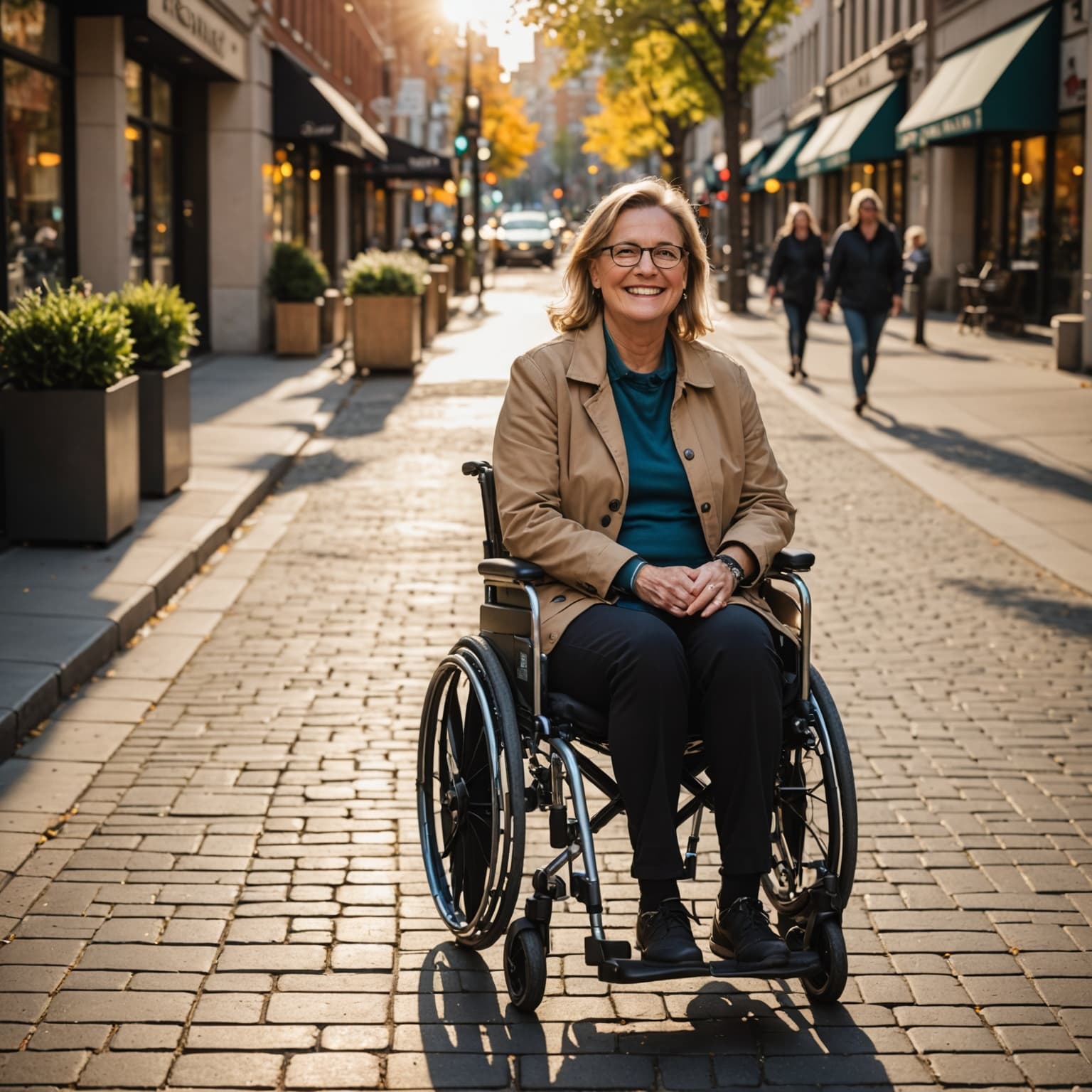
Wheelchair Accessible Travel: 5 Essential Tips for Confident Trips
Table of Contents
- Embarking on Barrier-Free Adventures: Your Guide to Confident Wheelchair Accessible City Trips
- Meticulous Pre-Trip Planning: Designing Your Accessible City Escape from Afar
- Navigating Your Destination: Mastering Accessible Transportation and On-Site Exploration
- Maximizing Enjoyment and Overcoming Obstacles: Strategies for a Seamless Accessible Journey
- Your Passport to Accessible Exploration: Empowering Future Barrier-Free Adventures
- Frequently Asked Questions
Embarking on Barrier-Free Adventures: Your Guide to Confident Wheelchair Accessible City Trips
Exploring new cities is more manageable when accessible routes and verified resources are readily available. Whether planning a weekend trip or an extended stay, reliable tools, such as the resources found on DUBO, help facilitate efficient route planning and reduce uncertainty. Barrier-free travel requires anticipating common obstacles like curbs exceeding 2 cm height, uneven cobblestones, transit vehicle boarding heights, and entrance designs complying with standards such as ADA or EN 301 549. Understanding these elements enables travelers to make informed decisions and navigate cities with confidence.
Finding Barrier-Free Routes with Confidence
Effective wheelchair accessible travel starts with detailed preparation. Identify attractions, dining establishments, and accommodations that provide step-free access, minimum doorway clear widths of 80 cm, and adapted restrooms meeting international criteria. For example, verify if a landmark has power-assisted automatic doors or ramps compliant with slope ratios not exceeding 1:12. Utilize specialized apps and municipal tourism websites that map confirmed accessible paths, avoiding unexpected blockages. Whenever feasible, contact venues directly to confirm elevator operation status or temporary barriers. Allocate buffer time in your schedule to accommodate potential delays or reroutes. Flexibility and proactive planning are essential to a smooth experience.
Smart Planning for Stress-Free Journeys
Thorough preparation is critical for dependable accessible travel. Carry mobility device repair kits tailored to your equipment, and maintain an updated directory of local accessibility services including supplier contacts and accessible transport providers. Rely on detailed reviews from travelers with similar accessibility requirements, who often provide nuanced, practical insights rather than generic advice. Recording your travel experiences systematically can improve future trip planning and contribute valuable data to the accessible travel community, fostering continuous improvement.
Meticulous Pre-Trip Planning: Designing Your Accessible City Escape from Afar
Planning an accessible city escape requires detailed preparation well before arrival. For travelers using mobility aids, verifying accommodation accessibility features—such as door widths of at least 32 inches (81 cm), roll-in showers compliant with ADA standards, and grab bars—is essential. Equally important is researching city transportation options, including low-floor buses or paratransit services, and accessible landmarks with confirmed step-free entry and clear turning radii of at least 60 inches (152 cm). Whether new to wheelchair accessible travel or experienced, thorough planning prevents encountering hidden barriers like narrow pathways, steep inclines exceeding 1:12 slope, or inaccessible public restrooms. Leveraging official sources and firsthand accounts during the planning phase allows for flexibility while reducing unexpected challenges. Identifying potential impediments in advance is both practical and empowering.
Mapping Out Barrier-Free City Routes
Begin by analyzing accessible route maps and local infrastructure data focusing on step-free pathways and compliance with standards such as the Americans with Disabilities Act (ADA) or EN 16584. Many municipalities provide detailed maps marking elevators, ramps with slopes less than 1:12, and automatic or widely accessible entrances at key destinations. Utilize specialized digital tools—like transit apps tailored for wheelchair users that highlight curb cuts and low-floor stops—and consult community-driven reviews for accurate conditions. For example, select accommodation via booking platforms that include filters for roll-in showers, door clearances, and automatic doors to ensure full accessibility. Resources like the wheelchair accessible travel guide offer detailed insights into common obstacles and essential destinations. Prioritize storing alternate routes and backup locations in case of construction or unexpected closures to maintain independent navigation throughout your stay.
Applying Disabled Travel Tips to Your Itinerary
Finalizing your itinerary should include applying tailored disabled travel strategies, such as confirming that all bookings allow flexible cancellation policies to accommodate sudden accessibility issues. Prepare and pack necessary assistive devices along with any consumables (e.g., cushion covers, battery packs for powered chairs), and create a contact list of transport providers and lodging managers familiar with accessibility needs. For a comprehensive examination of mobility challenges and solutions worldwide, review references like Accessible tourism on Wikipedia. Methodical preparation combined with current, practical knowledge ensures that potential challenges become manageable elements of a well-executed city exploration.
Navigating Your Destination: Mastering Accessible Transportation and On-Site Exploration
Exploring a new city should be efficient and accessible, regardless of mobility requirements. With the increased demand for wheelchair accessible travel, many destinations now implement ADA-compliant features such as step-free access with thresholds no higher than 1/2 inch, accessible entrances per ADA standards, and paratransit or wheelchair-accessible public transportation. Prior to travel, review transit accessibility maps, schedules, and services to confirm usability and accessibility features, such as wheelchair securement systems and priority seating. A valuable resource is the ADA National Network's authoritative guide on accessible ground transportation and planning, which details critical elements like transportation accessibility requirements and legal protections under the ADA. Thorough preparation helps minimize logistical barriers, allowing a greater focus on the travel experience.
Choosing Reliable Transit and City Exploration
Identifying accessible routes and transit is fundamental to effective, barrier-free travel. Many urban transit systems now provide low-floor buses with ramps that meet ADA slope requirements (1:12 max), wheelchair-accessible taxis, and metro stations equipped with elevators meeting ADA specifications. For example, Berlin’s BVG public transport app clearly marks stations that are fully step-free, facilitating route planning that avoids stairs or inaccessible areas. Prior to arrival, consult detailed transit maps, real-time apps, and station accessibility guides to locate routes with elevators or ramps and curb cuts compliant with accessibility standards. When planning visits, prioritize attractions and venues with certified accessible entrances, clear pathways, and tactile or braille signage. Inquire with hotel concierge services about local accessible attractions and transportation options to uncover detailed, practical recommendations. Gathering precise information in advance reduces uncertainties and streamlines travel within the city.
Practical Tips for Seamless Exploration
Effective wheelchair travel planning incorporates contingency measures for unexpected challenges. Carry essential equipment such as a compact portable ramp compliant with ADA slope guidelines, spare batteries or charging cables for power wheelchairs, and an updated list of accessible taxi services with step-free entry vehicles. Schedule sightseeing early to avoid peak crowds and ensure elevator availability during operating hours. Integrate flexibility into your itinerary, allowing time for rest breaks and alternate routing as necessary. For extensive urban environments, consult disability travel forums and local advocacy groups to obtain actionable tips based on real-world experiences. As you refine accessible travel practices, your confidence will increase, enabling you to engage with urban environments independently while maintaining safety and comfort.
Maximizing Enjoyment and Overcoming Obstacles: Strategies for a Seamless Accessible Journey
Traveling with mobility needs requires detailed preparation to avoid common challenges. Utilizing standardized accessibility features and verified resources enables wheelchair accessible travel to be more predictable and manageable. The growing availability of transportation options compliant with ADA or EN 301 standards expands possibilities for accessible travel. Selecting accommodations with confirmed step-free access, door widths of at least 32 inches (81 cm), and accessible bathrooms significantly reduces barriers. For complex environments like airports and public transit systems, using verified real-time accessibility apps and pre-arranging assistance with carriers or terminal staff can streamline navigation and transfers.
Practical Strategies for Overcoming Barriers
Ensuring a smooth experience involves detailed planning, including preparing an itinerary that highlights accessible entrances, elevator locations, and curb cuts meeting local ADA or equivalent standards. Leverage specialized agencies and online forums dedicated to paratransit and accessible transport to obtain current data on service reliability and infrastructure. For instance, comparing government-issued transit maps with firsthand reports from disabled travelers can reveal less obvious step-free routes and recommend wheelchair-accessible taxi companies with vehicles meeting ISO 10542 standards. Downloading transit apps designed to identify accessible subway stations and bus routes—such as those noting station platform height relative to vehicle floors—provides crucial mobility insights. Confirming with accommodations that features like grab bars, roll-in showers with a minimum 32-inch doorway clearance, and adjustable-height beds are available prior to arrival prevents accessibility discrepancies.
Empowering Your Journey with Smart Preparation
Effective wheelchair travel planning depends on comprehensive research tailored to individual mobility and equipment specifications. Carrying spare wheelchair parts compatible with your model and having emergency contact information easily accessible addresses common contingencies. Engaging with online communities specializing in accessible tourism offers detailed, practical feedback on the functional accessibility of destinations, enabling route and schedule adjustments before travel. Integrating community-sourced data with official resources reduces unforeseen obstacles and increases trip reliability. A methodical, proactive strategy combining validated accessibility tools with peer-shared insights enhances traveler autonomy and adaptability throughout the journey.
Your Passport to Accessible Exploration: Empowering Future Barrier-Free Adventures
Exploring the world should be accessible to everyone, and wheelchair accessible travel is increasingly enabling this goal. Travelers with mobility impairments can access destinations that implement inclusive design principles, such as step-free entrances compliant with ADA or EN 16584-1 standards, accessible pedestrian pathways with appropriate curb cuts, and public spaces meeting ISO 21542 accessibility guidelines. Digital mapping tools and community-driven travel guides now integrate detailed accessibility information, including entrance thresholds, door widths, and restroom availability, simplifying route planning for both seasoned and first-time users. Whether visiting iconic landmarks or lesser-known sites, effective planning starts with identifying locations that provide validated accessibility features catering to a broad range of mobility needs.
Breaking Down Barriers: What Makes Cities Inclusive?
Barrier-free travel relies on infrastructure designed to accommodate more than just ramps. Key elements include accessible public transit vehicles with low-floor boarding, elevators compliant with local regulations, tactile guidance systems, and high-contrast, legible signage. For instance, London’s Transport for London (TfL) lists over 80 Underground stations with confirmed step-free access, while Berlin’s major museums provide comprehensive wheelchair travel information—including dimensions of doorways and availability of mobility aids—on their official websites. When choosing a destination, prioritize cities that provide:
- Detailed disabled travel resources published by official tourism authorities
- Regularly updated, accessible route maps showing gradients, curb heights, and obstacles
- Reliable booking platforms for adapted accommodations and accessible transport options with verified accessibility standards
Advanced booking is critical; securing adapted accommodations and accessible transit in advance minimizes disruptions and ensures compliance with specific mobility requirements.
Next Steps: Empower Your Adventure
To tailor barrier-free travel plans to your individual needs, consult our consultation and booking page where experts provide personalized advice based on up-to-date accessibility data and best practices, helping you develop a detailed itinerary aligned with current accessibility standards.
Frequently Asked Questions
How do I plan a wheelchair-accessible city trip?
Start by researching step-free attractions, accommodations with roll-in showers and door clearances of at least 32 inches (81 cm), and accessible transit maps—then confirm the details directly with venues before booking rather than relying on a generic "accessible" label.
What should I check before booking accommodation?
Confirm a step-free entrance, elevator access, door widths, grab bars, a roll-in shower, and enough turning space. Ask for photos or specific measurements so you know the room genuinely fits your needs.
How can I find accessible public transport?
Use transit apps and station accessibility guides that mark step-free stations, low-floor buses, and elevator locations—for example London's TfL step-free map or Berlin's BVG app—and check for elevator outages before you travel.
What should I pack for accessible travel?
Carry a compact portable ramp, a wheelchair repair kit with spare parts for your model, charging cables or spare batteries for a powered chair, and a contact list of local accessibility and accessible-taxi services.
What if a route turns out to be inaccessible?
Build buffer time and backup routes into your itinerary, keep accessible taxi numbers handy, and consult reviews from other disabled travelers for real-world conditions that official maps may miss.