DUBO
Every path, made possible



Live Updates & User-Driven Accessibility Reporting
A community-driven system allows users to share updates, photos, and report accessibility issues in real time. The project aims to increase independence, safety, and confidence in navigating cities, starting with Venice and expanding globally.
Real-World Accessibility Information for Every User
This application helps people with reduced mobility, stroller users, and individuals with visual or hearing impairments navigate urban environments. It provides accessibility information such as ramps, elevators, stairs, and accessible entrances.
Stroller-Friendly Route Navigation
The application suggests paths that provide sufficient width for strollers. It automatically avoids stairs, narrow bridges, uneven cobblestones, and slippery surfaces. Priority is given to ramps, elevators, and level streets to ensure a smooth and safe journey for parents with young children.
Public Transport Station Information
For each bus, tram, metro, or vaporetto stop, the app clearly indicates which entrances are suitable for stroller access. It also shows whether there is designated space for a stroller inside the vehicle and warns about large gaps or steps between the platform and the door. This helps parents plan their trip without unexpected obstacles at the station.
Special Features for Double Strollers
Users pushing a double or twin stroller can filter routes that require a minimum width. The application provides warnings about revolving doors or narrow turnstiles that cannot accommodate larger strollers. It also highlights wider ramps and extra‑wide elevator doors to make travelling with two children as convenient as travelling with one.
Tailored to Your Needs


Finding a Suitable Entrance
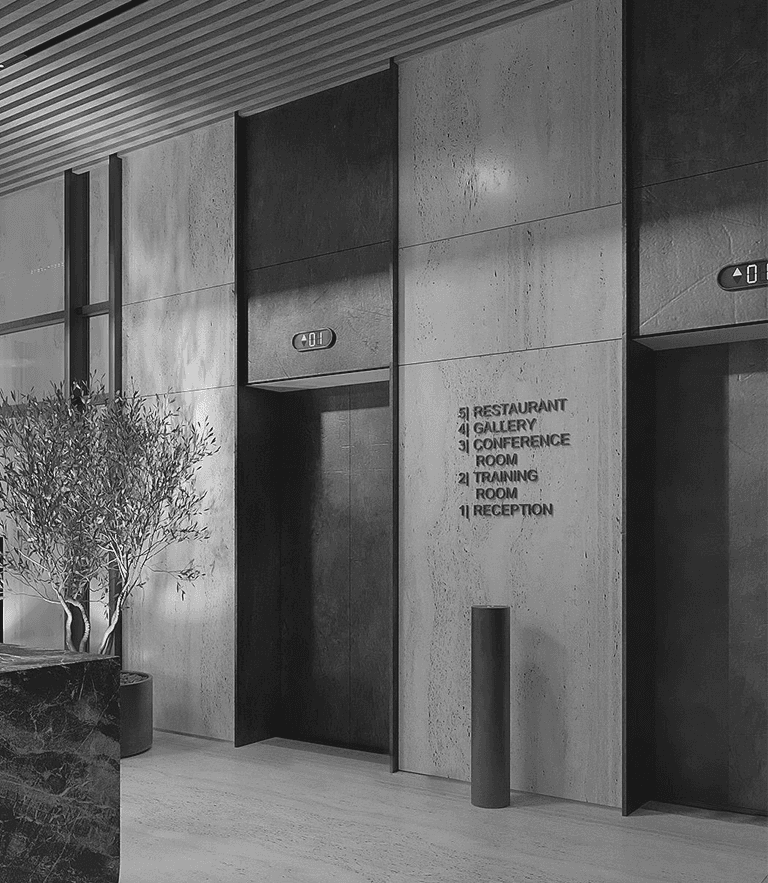
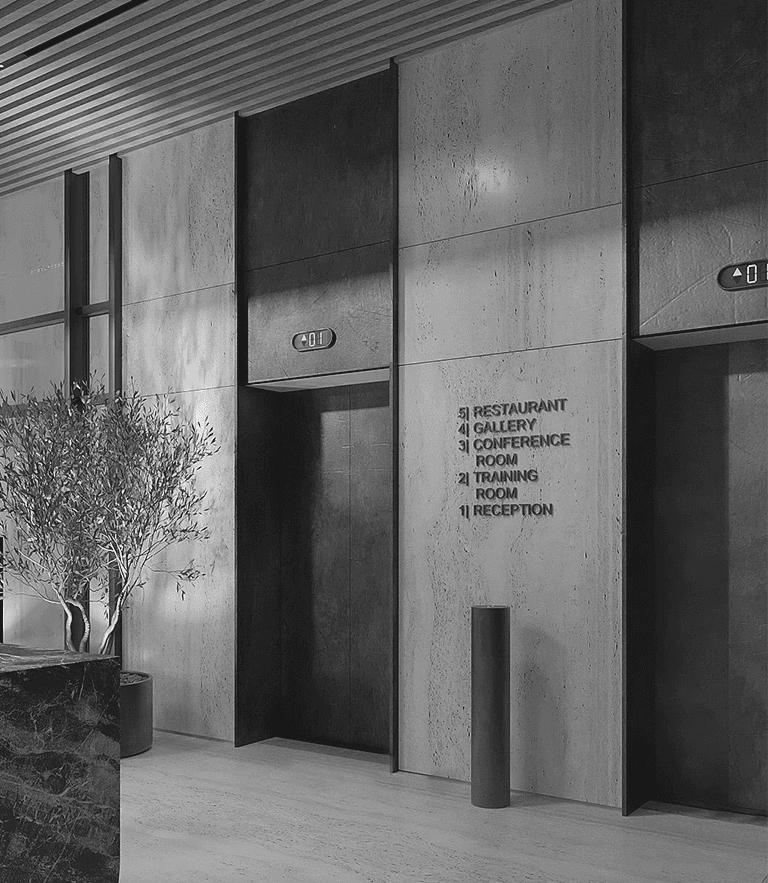
Access to Nearby Elevators
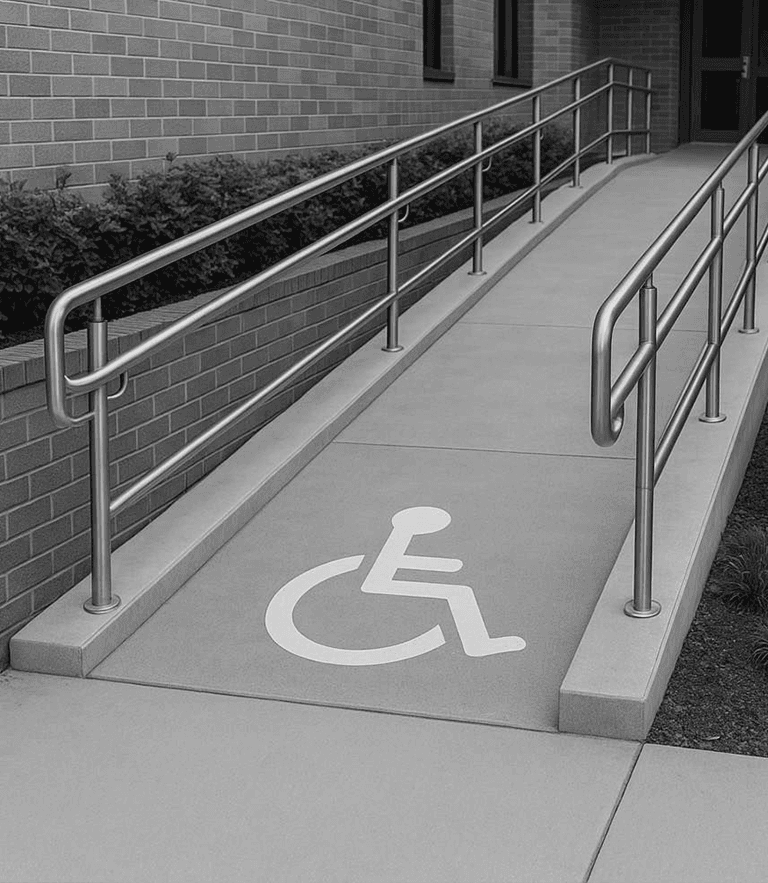
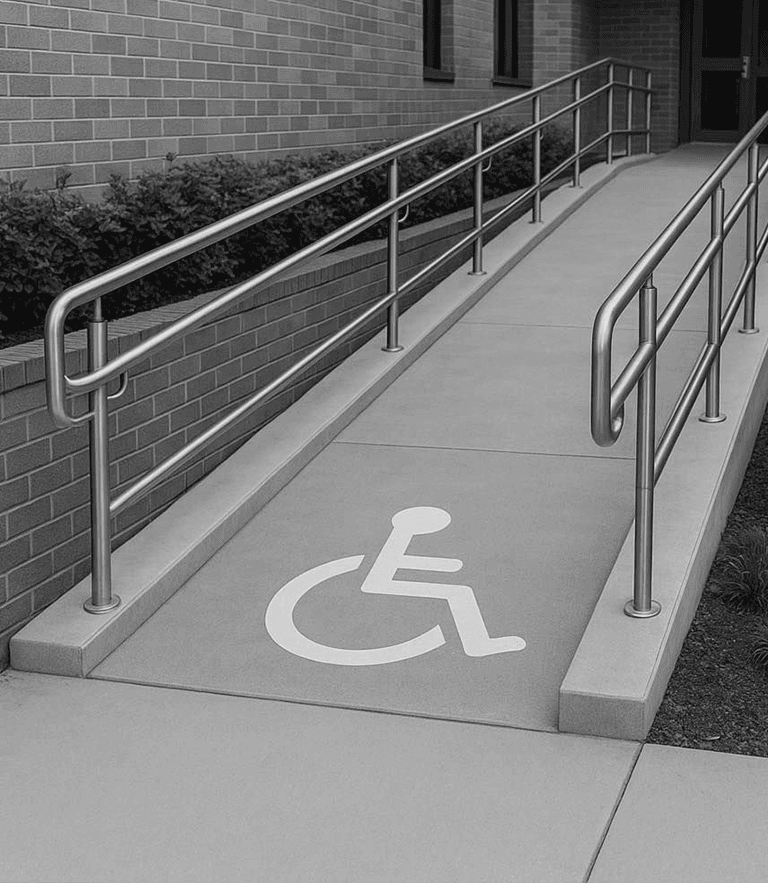
Access to Nearby Ramps
Access to Rest Areas


Access to Nearby Parkings
Finding a Suitable Entrance
Access to Nearby Elevators
Access to Nearby Ramps
Access to Rest Areas
Access to Nearby Parkings
For Users with Low Vision or Color Blindness
Dubo is built for users who have low vision, difficulty distinguishing colors, or other visual limitations. The app never relies on color alone to convey critical information. Instead, it combines high-contrast text, clear icons, patterns, labels, voice guidance, and vibration alerts. Every obstacle — stairs, narrow bridges, broken elevators, or roadworks — is announced audibly and shown as a simple text message. This ensures that no one misses important updates, regardless of how they perceive the screen.
Powered by You – Community-Driven Accessibility
A large part of Dubo is powered by its community. Users like you can add photos of entrances, confirm whether a specific route is truly accessible, or report an obstacle in real time — such as a broken elevator, roadworks, a closed street, or a missing ramp. This live information instantly appears for other users, helping everyone avoid unexpected barriers. The more people contribute, the more accurate and reliable Dubo becomes. It’s not just an app — it’s a shared effort to make cities work for everyone.


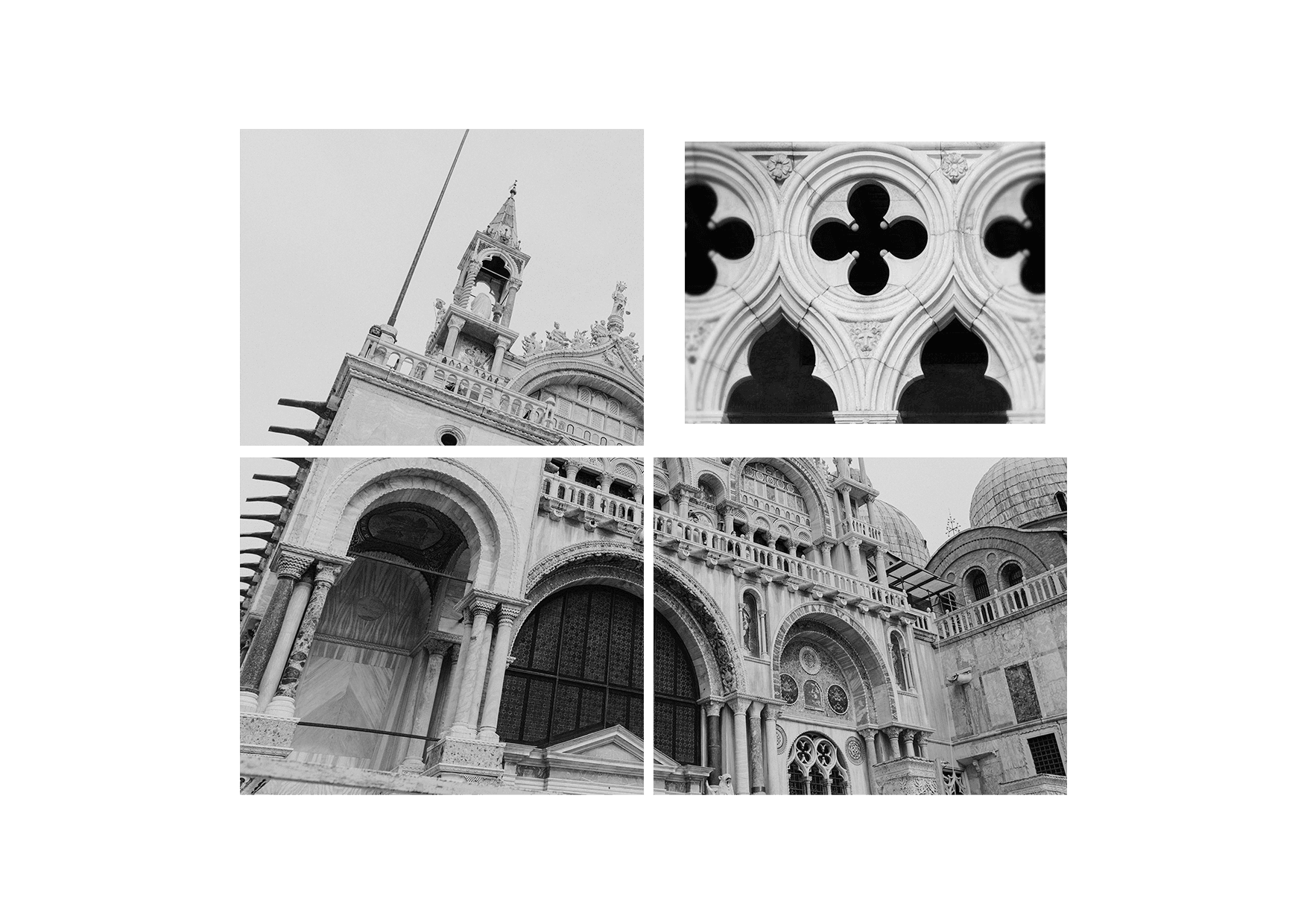
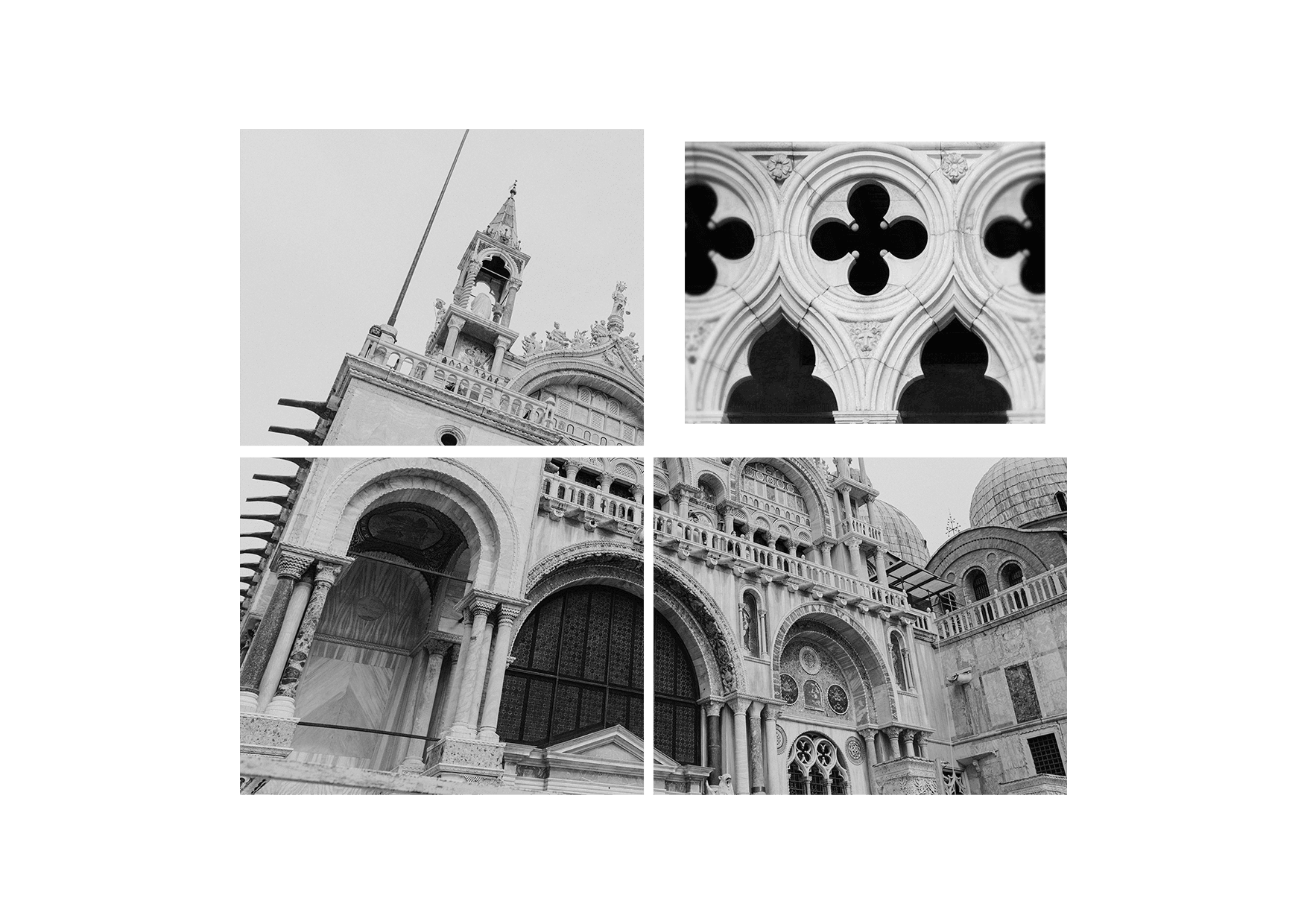
Dubo begins in Venice — a beautiful but challenging city filled with bridges, narrow alleys, and stairs. If we can make Venice accessible, we can make any city accessible. But the plan doesn't stop there. After launching in Venice, Dubo will expand to other cities around the world. The goal is not just building technology. The real goal is to give people more independence and confidence when they want to go downtown, visit a new place, or travel. Dubo may eventually serve a wider audience, but from the start, our focus is on those who need accessibility the most — people with reduced mobility, parents with strollers, and individuals with visual or hearing impairments.
What You Can Expect
Real-World Accessibility Data
Verified info on stairs, ramps, elevators, and entrances — no vague claims.
Independence & Peace of Mind
No surprises, no barriers — just confident, safe navigation.
Community-Powered Live Updates
Real-time reports on broken elevators, roadworks, and closed streets.
Personalized for Your Needs
Choose your profile and see only what matters to you.