
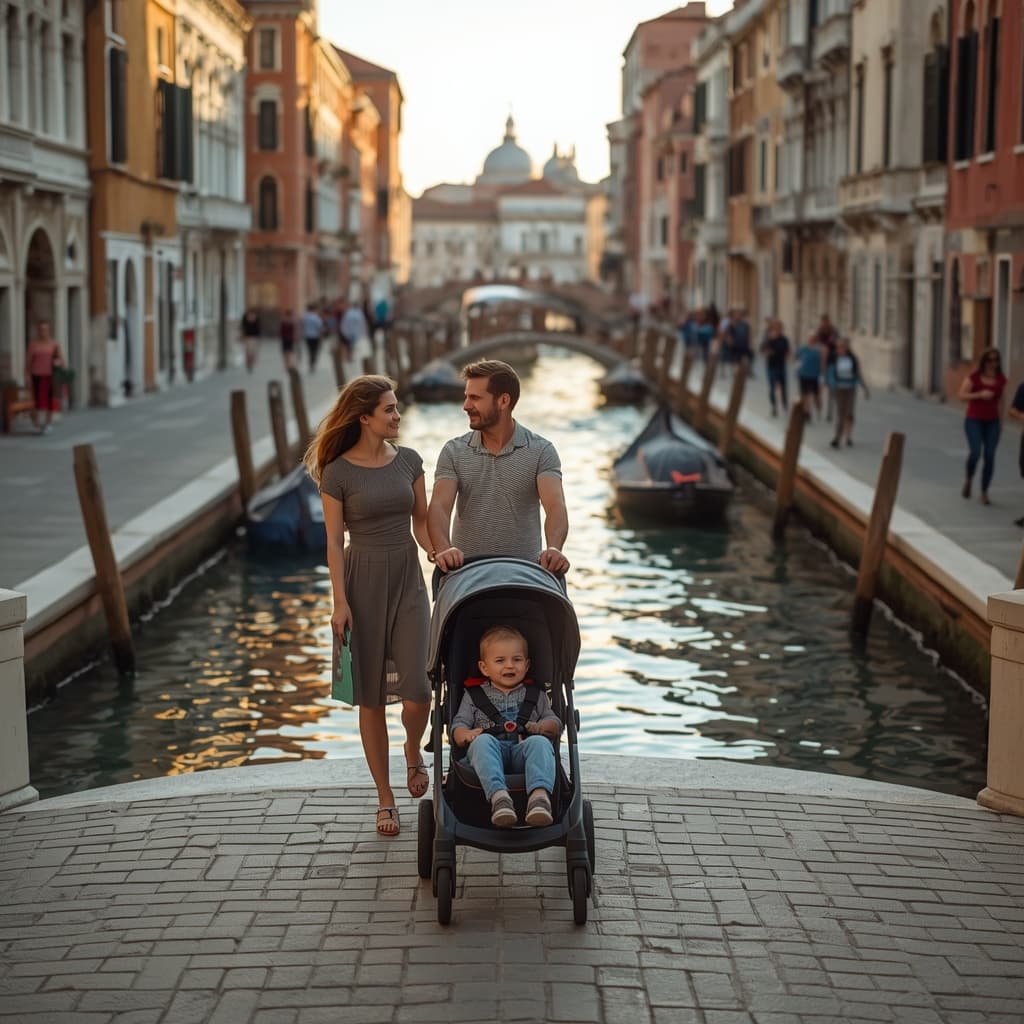
Venice with a stroller: 5 Step-Free Routes for Families
Table of Contents
- Visiting Venice with a Stroller: Unlocking a Stress-Free Family Adventure
- Before You Go: Essential Planning & Mindset for a Stroller-Friendly Venice Trip
- On the Ground: Mastering Venice's Step-Free Routes and Public Transport with a Stroller
- Beyond Mobility: Stroller-Friendly Attractions, Dining, and Daily Logistics for Families
- Your Seamless Venetian Stroller Experience Awaits: Final Tips & Encouragement
- Frequently Asked Questions
Visiting Venice with a Stroller: Unlocking a Stress-Free Family Adventure
Exploring Venice with a stroller requires careful preparation to navigate its distinctive urban layout effectively. Families prioritizing comfort and accessibility can utilize resources such as DUBO, which provides tailored travel solutions in Venice. The city's narrow streets, numerous bridges, and frequent canal crossings present logistical challenges; however, with informed planning and knowledge of stroller-friendly routes, Venice becomes a manageable destination for parents traveling with young children. Identifying pathways with minimal steps and manageable crowds critically improves the experience.
Mastering Venice’s Unique Terrain
Venice’s network of over 400 bridges and absence of vehicular traffic complicate stroller use, especially given many bridges feature stairs instead of ramps. To address this, select lightweight, foldable pushchairs—preferably under 7 kg (15 lbs)—to facilitate carrying over steps or onto vaporetto boats. Key pedestrian areas, such as Piazza San Marco and Strada Nova, feature smoother pavements and fewer abrupt elevation changes suitable for stroller navigation. When crossing bridges, prioritize those equipped with ramps—like the Constitution Bridge (Ponte della Costituzione)—or consult locals for the most accessible routes. Vaporetto water buses provide designated spaces for prams, enabling easier transit across the Grand Canal and other waterways. Incorporate breaks in parks such as Giardini della Biennale or the public gardens near Sant’Elena, where children can rest and engage in outdoor activities. Always carry essentials like snacks, water, and sun protection, as these contribute significantly to maintaining comfort during outings.
Essential Family Travel Tips
Flexibility and patience are critical when maneuvering Venice’s densely populated and uneven public spaces. Schedule sightseeing early in the morning or late afternoon to avoid peak foot traffic, improving stroller mobility. Incorporate child-friendly stops such as gelaterias or venues with interactive exhibits, for example, the Natural History Museum at Fondazione Cini, which offers educational engagement in a stroller-accessible environment. Because most attractions require walking, pace your itinerary to include frequent rest intervals, minimizing fatigue for both caregivers and children. Effective route planning combined with realistic expectations reduces stress and enhances the overall family travel experience.
Before You Go: Essential Planning & Mindset for a Stroller-Friendly Venice Trip
Visiting Venice with a stroller requires deliberate preparation due to the city's uneven terrain and numerous bridges without ramps. Venice’s narrow alleys, stone footbridges, and winding paths remain captivating for family travelers, but many areas are inaccessible to prams. Effective planning begins with understanding the city's infrastructure and setting realistic expectations. Identifying stroller-friendly routes, utilizing vaporetto water buses, and selecting accommodations near accessible stops will significantly enhance mobility and overall convenience.
Understanding Venice's Layout and Transportation
Familiarity with Venice’s unique urban fabric is critical for families navigating with a stroller. The vaporetto water buses provide the primary means of traversing the city, allowing avoidance of most bridges with steps. Prior to arrival, consult updated maps, local travel forums, and specialized guides such as those dedicated to Venice with young children and strollers. Lightweight, compact strollers with swivel wheels are recommended for maneuverability over cobblestones and narrow passages. According to official information on transportation in Venice, the vaporetto network is extensive, with over 20 lines servicing major routes; planning itineraries around stops equipped with ramps or elevators considerably eases transit. Accommodations near principal vaporetto lines—such as those on the Grand Canal or near Piazzale Roma—offer better accessibility. Anticipate some physical limitations but rely on public transport and infrastructure designed to assist mobility as much as possible.
Setting Expectations: Mindset and Practical Tips
Negotiating Venice’s uneven, cobblestone streets requires adaptability and preparation. Carrying a baby carrier for steep staircases or crowded spaces is advisable, as many footbridges do not have ramps and include 10 to 50 steps. Pack extra diapers, water, and snacks, and reference official accessible family routes published by the city or local organizations before setting out. When faced with multiple bridges, asking locals for preferred stroller-friendly detours can save time; residents are generally accommodating and knowledgeable. Slowing down your pace allows for discovery of less-traveled paths and quieter piazzas, ensuring meaningful family experiences without the strain of forcing a rigid itinerary. Flexibility and patience remain key assets when maneuvering Venice’s historical environment with a stroller.
On the Ground: Mastering Venice's Step-Free Routes and Public Transport with a Stroller
Exploring Venice with a stroller presents unique challenges due to the city’s numerous bridges and narrow alleyways, but a manageable experience is achievable through careful planning. While many bridges involve steps, several key routes incorporate ramps or step-free paths, and the city provides accessible transport options to facilitate smoother mobility for families. Parents traveling with young children benefit from knowing how to avoid staircases and congested areas, which significantly reduces physical strain and stress. Venice’s distinctive urban layout can be navigated effectively without sacrificing the experience, provided you prioritize patience and adaptable planning. Preparation focusing on stroller-compatible paths and public transportation options is essential to maintain comfort and efficiency. For broader accessibility considerations and family travel advice, official Venice tourism resources offer practical guidance on getting around the city with young children.
Step-Free Navigation and Expert Route Planning
Establishing stroller-friendly routes in Venice starts with detailed pre-trip analysis. Identifying bridges equipped with ramps—such as Ponte delle Guglie and Ponte della Costituzione—or those with fewer steps, enables bypassing more difficult passages. For example, the Strada Nuova and Campo Santi Apostoli areas offer flatter terrain and fewer staircases, connecting major attractions more smoothly. Monitor local signage indicating accessible routes and consult residents or local mobility aids services to verify current conditions. Carrying a lightweight, compact stroller with easy folding and a strong carry handle is advisable for overcoming short flights of stairs when necessary. Use digital tools like Wheelmap or Accessibile Venice apps that mark accessibility features, including ramp inclines under 8%, cobblestone quality, and pedestrian traffic levels. Strategically plan daily itineraries during off-peak hours to minimize exposure to crowds on popular bridges.
Public Transport Solutions and Smart Travel Strategies
The Venice vaporetto system accommodates strollers and serves as the primary solution for crossing canals. Larger stops, including Piazzale Roma and Ferrovia, are equipped with boarding ramps compliant with the EU accessibility directive (EN 16584-1) and usually offer staff assistance upon request. When transferring between locations, consider rides as part of the experience; children benefit from the visual stimuli of the cityscape from the water. Most vaporetto stops feature level boarding or ramps with gradients less than 5% to ensure stroller access. Always verify route maps and timetables in advance to identify stops with confirmed accessibility functions. Traveling during non-peak hours increases comfort due to reduced occupancy and easier boarding. For additional insights on planning low-stress, accessible trips, consult this guide to getting around Venice on public transport, which covers options relevant to Venice’s specific environment. Key takeaway: Detailed route selection and timing combined with effective use of accessible transport are critical to optimizing family travel in Venice.
Beyond Mobility: Stroller-Friendly Attractions, Dining, and Daily Logistics for Families
Exploring Venice with a stroller presents specific challenges, but thorough planning allows families to navigate the city efficiently. Venice’s narrow alleys and iconic bridges are characteristic features, though they complicate stroller use. Understanding accessible routes, stroller-compatible attractions, and convenient dining can significantly ease travel logistics. The city’s layout, influenced by its lagoon geography and historic architecture, requires detailed preparation; for a comprehensive overview, Venice - Wikipedia provides valuable information on local infrastructure, transportation, and accessibility. Prioritizing practical navigation ensures families can focus on sightseeing without unnecessary difficulties.
Stroller-Friendly Highlights and Accessible Routes
Several key Venice attractions are accommodating to prams and lightweight strollers measuring up to 60 cm in width. Piazza San Marco offers broad, flat surfaces ideal for maneuvering, and the waterfront promenades along the Riva degli Schiavoni provide smooth, paved paths. Vaporetto water buses permit stroller boarding with priority ramps and sufficient space—routes such as Line 1 and Line 2 minimize stairs and provide level entry points. When selecting bridges, opt for those with ramps like Ponte della Costituzione, which features a concrete ramp with a maximum gradient of 6%, rather than traditional stone staircases. To streamline your visit, use this checklist:
- Plan family routes with detailed maps highlighting elevators and ramps before arrival
- Select lightweight, compact strollers with swivel wheels for tight spaces
- Consult vaporetto timetables in advance to avoid peak hours when boarding with strollers is more challenging
Dining and Daily Logistics with Kids
Many trattorias and cafés in Venice accommodate families, offering facilities such as high chairs and reserved stroller parking areas. Outdoor seating provides space to manage strollers while maintaining comfort for children. Public restrooms are limited—plan bathroom breaks at major attractions like the Doge’s Palace or the Peggy Guggenheim Collection, which have accessible facilities. Bring essential supplies including snacks and bottled water, as grocery stores may be spaced over 500 meters apart. Adapt your schedule to allow for slower-paced exploration and include activities suitable for young children, such as visits to the Natural History Museum of Venice. Detailed preparation helps families manage daily needs while efficiently enjoying Venice’s historic environment.
Your Seamless Venetian Stroller Experience Awaits: Final Tips & Encouragement
Exploring Venice with a stroller is feasible with proper planning and expectations. The city’s narrow streets and hundreds of bridges, many with steep steps, present logistical challenges. However, numerous families navigate these successfully by identifying accessible routes in advance. Focus on main thoroughfares such as the route from Piazzale Roma to Piazza San Marco, which include ferry ramps and bridges equipped with ramps or low steps. Prioritize wide, flat public spaces like Piazza San Marco or the Zattere promenade, which offer manageable surfaces and room for children to move safely.
Helpful Strategies for Family Exploration
To enhance your experience, apply these practical tips:
- Choose lightweight, compact strollers with sturdy, all-terrain wheels designed for cobblestones and uneven surfaces common in Venice.
- Plan regular rest stops at accessible locations such as cafés with ramps and green spaces like Giardini Papadopoli, which provide seating and shade.
- Utilize Venice’s vaporetto lines equipped with designated spaces for strollers and wheelchair ramps, enabling easier travel between islands and avoiding multiple bridge crossings.
Final Encouragement and Support
Patience and realistic expectations are essential when maneuvering Venice’s steep bridges and narrow alleys with a stroller. For tailored route planning or assistance with bookings, reach out for personalized travel advice. With informed preparation, Venice with a stroller becomes a manageable, enriching experience that accommodates family needs without compromising access to the city’s unique heritage.
Frequently Asked Questions
Is Venice manageable with a stroller?
Yes, with planning. Many bridges have steps, but main routes, flat squares like Piazza San Marco, and the vaporetto network let families avoid most obstacles. Choosing accessible routes in advance makes a big difference.
What kind of stroller works best in Venice?
A lightweight, compact, foldable model—ideally under about 7 kg—with sturdy wheels. It's easier to lift over bridge steps and to fold when boarding a vaporetto. A baby carrier is a handy backup for the steepest staircases.
Can I take a stroller on the vaporetto?
Yes. Vaporetti allow strollers, and major stops such as Piazzale Roma and Ferrovia have ramped boarding with staff assistance on request. Lines 1 and 2 along the Grand Canal are the most stroller-friendly.
Which bridges have ramps for strollers?
Ponte della Costituzione (the Calatrava bridge) has a ramp, and some bridges like Ponte delle Guglie offer temporary ramps during busy periods. Where ramps aren't available, plan routes that minimize bridge crossings.
Where can families take breaks in Venice?
Green spaces such as Giardini della Biennale, Giardini Papadopoli, and the gardens near Sant'Elena offer flat ground and shade for rest stops, snacks, and letting children move around safely.